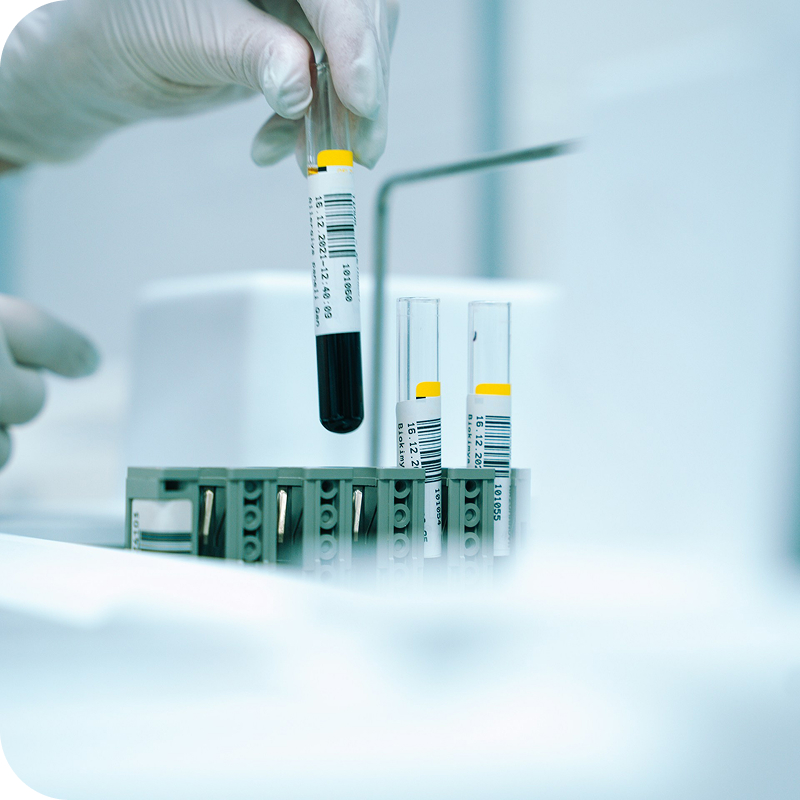
Laboratories, research institutes, industry or the public sector.
We understand your work.

Needs vary between industries, but reliable information, clear workflows and traceability matter to all of them. Fision brings information together and helps teams collaborate across research, laboratory operations and quality management.
Research and development
Less time searching for information. More room for discovery.
In research, every experiment lays the groundwork for the next. When plans, materials, methods and results are scattered, understanding the bigger picture takes time and previous work is difficult to reuse.
Keeping research information together preserves its context and results. The information remains accessible across projects and teams, making it easier to build on earlier work.
Key applications:
- Planning and documenting research projects and experiments.
- Bringing together information on materials, samples and methods.
- Comparing results and making use of previous research.
- Sharing information between teams and partners.
Industry and production quality control
Quality information where decisions are made.
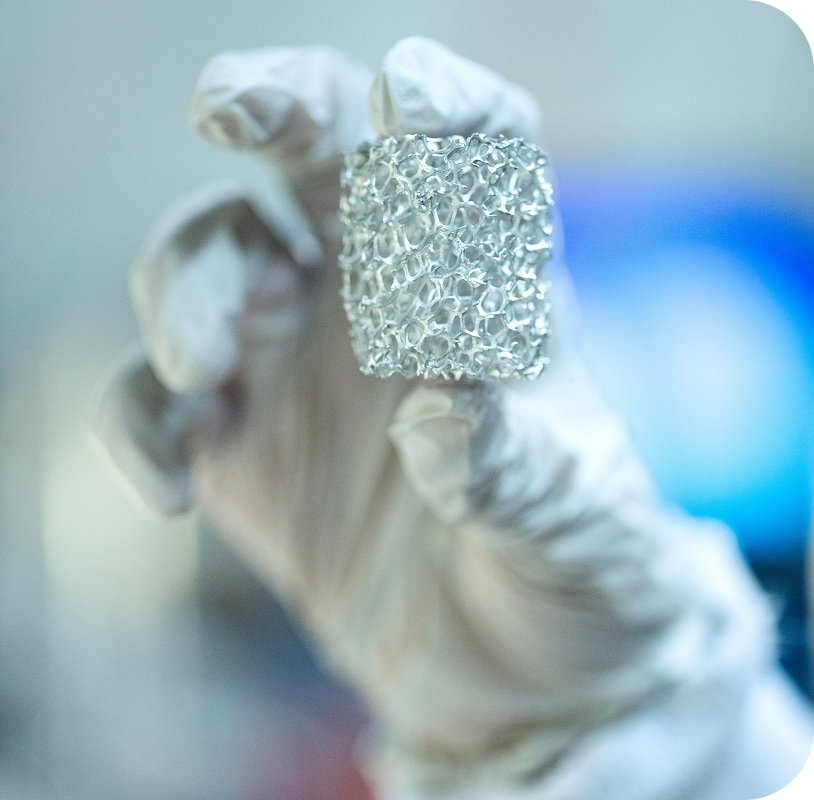
In production quality control, each measurement is part of a larger whole. Its meaning becomes clear when you know which sample, raw material or production batch it belongs to.
When quality control information is organised, it is easier to monitor results, investigate deviations and improve processes. A shared view across the laboratory, production and quality management supports everyday decisions.
Key applications:
- Monitoring the quality of raw materials, process samples and finished products.
- Connecting analytical results to samples and production batches.
- Investigating quality deviations and following up corrective actions.
- Reviewing trends in results and reporting.

Laboratory services and analytics
From sample to result. Every step under control.
Samples, analysis requests, methods and reports form a continuous flow of information in everyday laboratory work. Efficient workflows depend on knowing each sample’s status and what needs to happen next.
Well-organised information supports every step from sample receipt to reporting. When information follows the sample, less manual work is needed and the whole process is easier to monitor.
Key applications:
- Receiving and identifying analysis requests and samples.
- Monitoring sample status and analysis progress.
- Managing method and result information.
- Checking and approving results and reporting to customers.
Broadsight™ AMS complements laboratory information management by bringing together information on chemicals, materials and equipment.
Explore our solutions for laboratory resource management
Biotechnology, diagnostics and health technology
Research information and quality go hand in hand.
Developing new methods and products requires systematic information about samples, experiments and results. As development progresses, documentation, change management and traceability become increasingly important.
When research and quality information form a coherent whole, development stages are easier to revisit and knowledge moves more smoothly between teams. This also creates a foundation for repeatable work and controlled development.
Key applications:
- Managing information on samples, materials and experimental series.
- Documenting method development and changes.
- Comparing results and tracing development stages.
- Bringing together research and quality documentation.
Universities and research institutes
Research knowledge stays accessible as projects and people change.
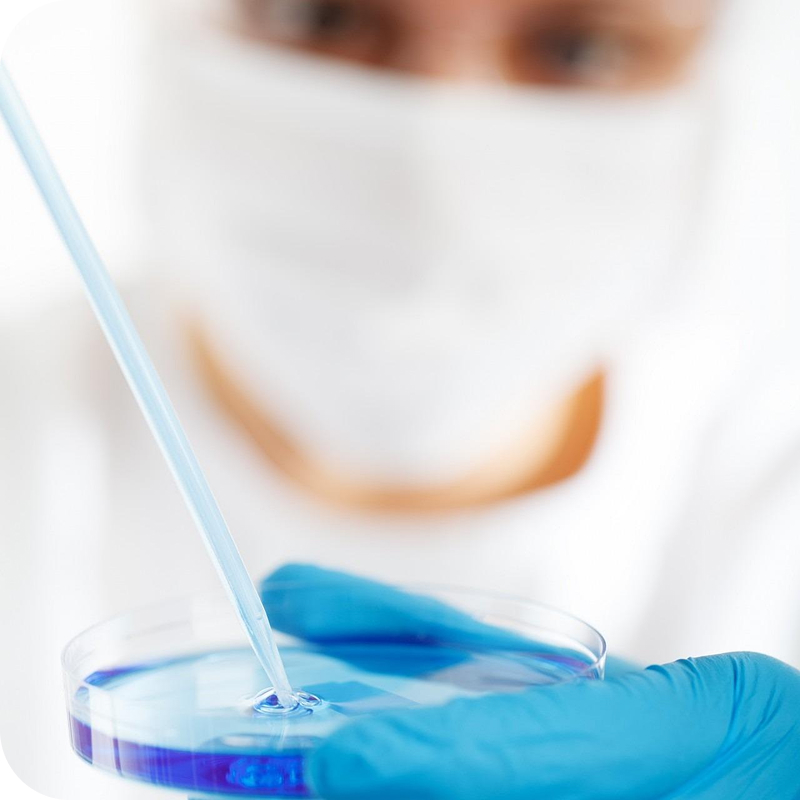
Research groups, projects and collaborative networks generate information whose value extends beyond any individual project. That information should remain accessible and understandable even when the person who produced it is not available.
Shared information management practices help preserve the context of research materials, methods and results. They support continuity in research, collaboration and the use of shared equipment and resources.
Key applications:
- Organising research materials, experimental data and results.
- Documenting projects and transferring knowledge between researchers.
- Collaboration between research groups and organisations.
- Planning the use of shared equipment and resources.

Public laboratories and authorities
Traceable information is the foundation of reliable work.
In public laboratories and regulatory work, the origin of information, processing steps and approvals must be traceable. Documentation needs to support both daily work and the evaluation of operations.
Well-organised information helps standardise practices and keep documentation on samples, results and quality together. When information is easy to find, preparing reports and audits becomes easier too.
Key applications:
- Documenting the processing stages of samples, analyses and results.
- Managing work instructions and quality documents.
- Monitoring deviations and corrective actions.
- Gathering the information needed for reporting and audits.