
Fision
Hjelt Institute — LIMS for forensic medicine
The Department of Forensic Medicine at the Hjelt Institute carried out forensic autopsies, forensic chemical testing, DNA analyses, paternity testing and clinical forensic examinations.
At the time of the original case study, the forensic chemistry unit comprised toxicology and forensic biology laboratories. It handled around 10,000 cases a year, involving approximately 50,000 analyses and typically 50,000–60,000 findings. Records of older cases dating back to the 1980s also needed to be transferred to the new LIMS.
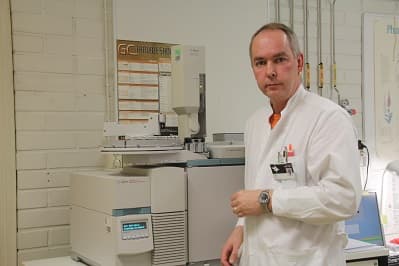
Jari Nokua, LIMS project manager
The unit put a new laboratory information management system out to tender in 2011. Its requirements were detailed and carefully prepared. Fision won the tender, and development began on 1 August 2011. A month and a half later, the customer had a first prototype containing all the main functions. Before that, all the main user groups had been interviewed and their workflows documented as use cases. Interviews continued as the functions were developed using agile methods. Users could influence the system from the first version onwards.
The target was to launch the system six months after the project began. The originally specified components were ready by then, but further customisation and additional features meant that the final launch took place two months later.
Jari Nokua, Project Manager, Hjelt Institute:
“Working with Fision’s staff was always seamless. They were present and easy to reach. Our users took part in development because their wishes were considered and they felt they could make a difference. Of course, this also required commitment from the users.”
“The result met our needs well, and the changes identified during the project were taken into account in development. The platform seems adaptable, and we have reason to believe that future changes can also be accommodated. Editing data is straightforward, and we have not had to keep asking the supplier to change basic information. We also continuously maintain a parallel test system where data changes and new versions can first be tested to make sure they work.”
“Communication between staff has become easier thanks to the software’s note function, and every data change can be traced through the history function. The window-based application makes it easy to view and compare all the information related to a case. Personal and group homepages organise work naturally and show users the functions relevant to their roles.”
“The software also has extensive search capabilities and a dedicated data mining tool, Insight Data Mining, which our researchers have used to collect the material they need. We can adapt all the report templates ourselves for each purpose.”
“The software was able to handle more functions than originally planned, allowing us to improve productivity more than expected.”
“Overall, the project was a good example of agile development done well and of a supplier’s willingness to understand users’ real needs.”